Sustainability and CSR
Sustainability
Dawson-WAM demonstrates a strong commitment to sustainable and environmentally responsible engineering. Our Sustainability Policy sets out clear priorities: integrating environmental, social, and economic balance into decision-making; engaging their project teams, clients, and supply chain in best practice; and promoting sustainable procurement and resource efficiency.
Our Environmental Policy reinforces this by emphasising pollution prevention, efficient use of materials, reducing carbon footprint, and adhering to high standards such as ISO 14001 and our PAS2080 accreditations.
In practice, we have delivered sustainability through actions like:
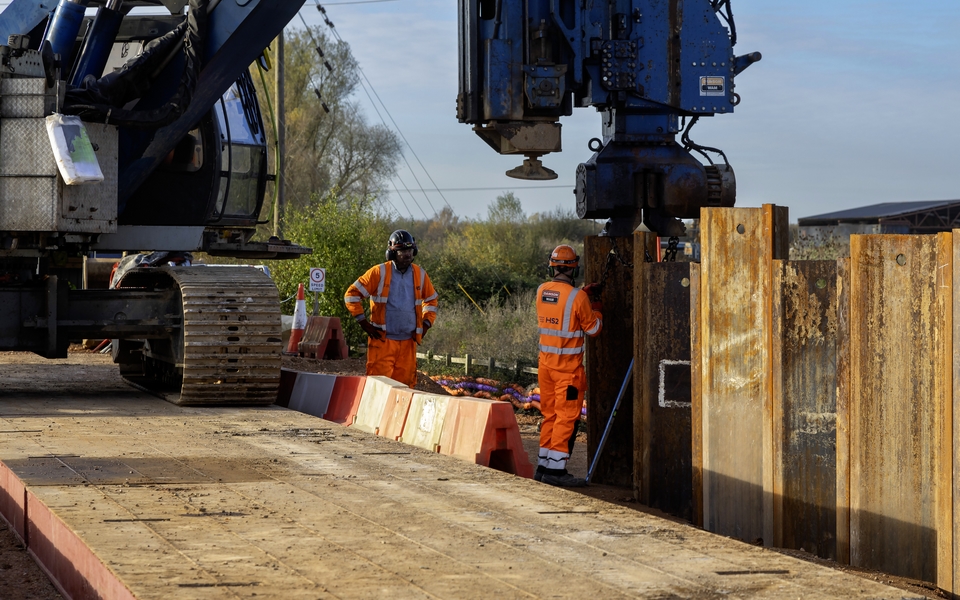
National Highways
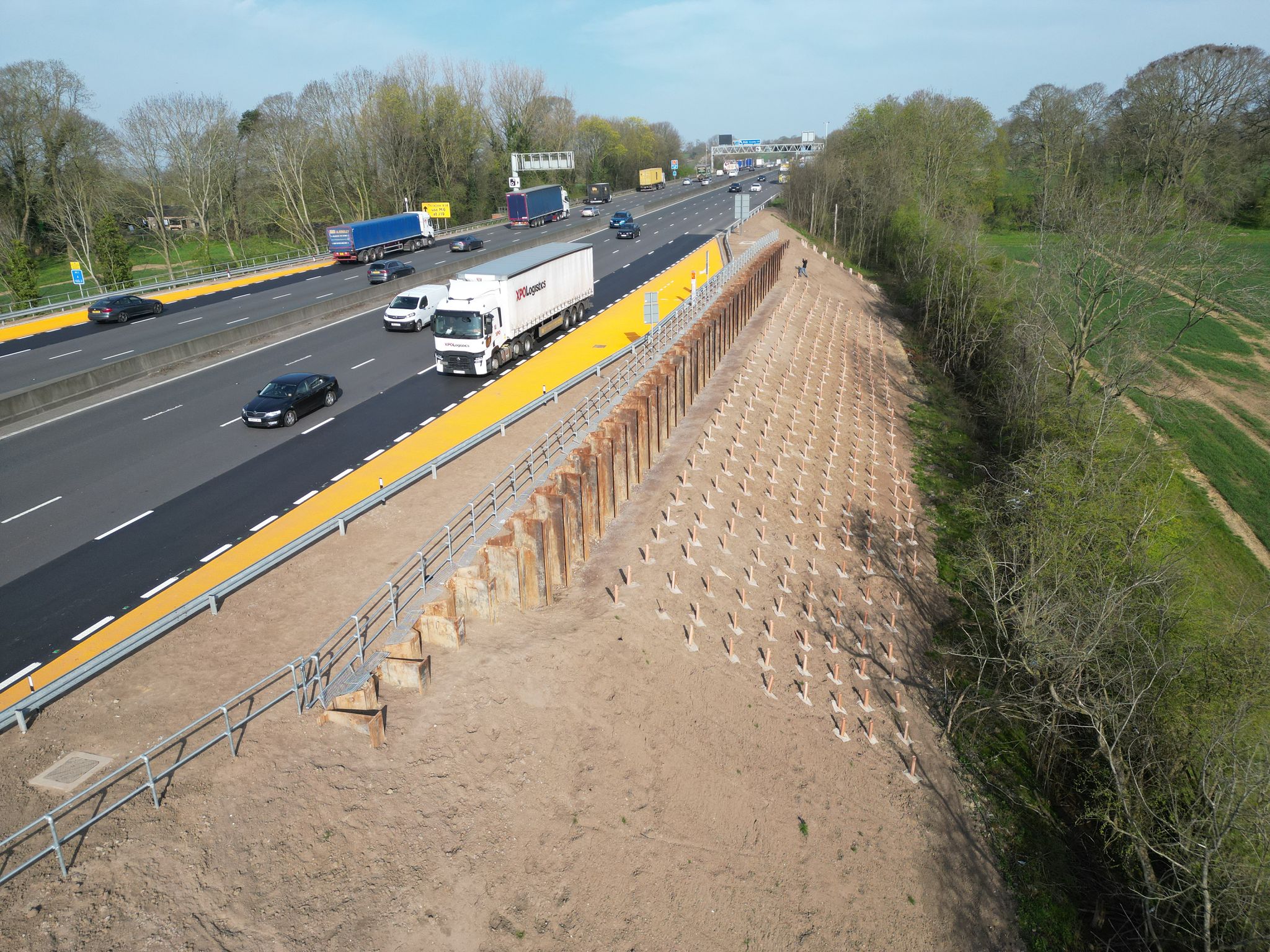
Achieving the first ever reuse of sheet piles for permanent work on a National Highways – On the M4 works under the National Emergency Area Retrofit programme, Dawson-WAM collaborated with SMP Alliance, Balfour Beatty, Jacobs, and National Highways to reuse steel sheet piles (originally from Thames Tideway) for a permanent structural wall. This delivered measurable environmental benefits: saved 62,885 kg of new steel, avoided 173,562 kg CO₂e emissions, and reduced material procurement costs.
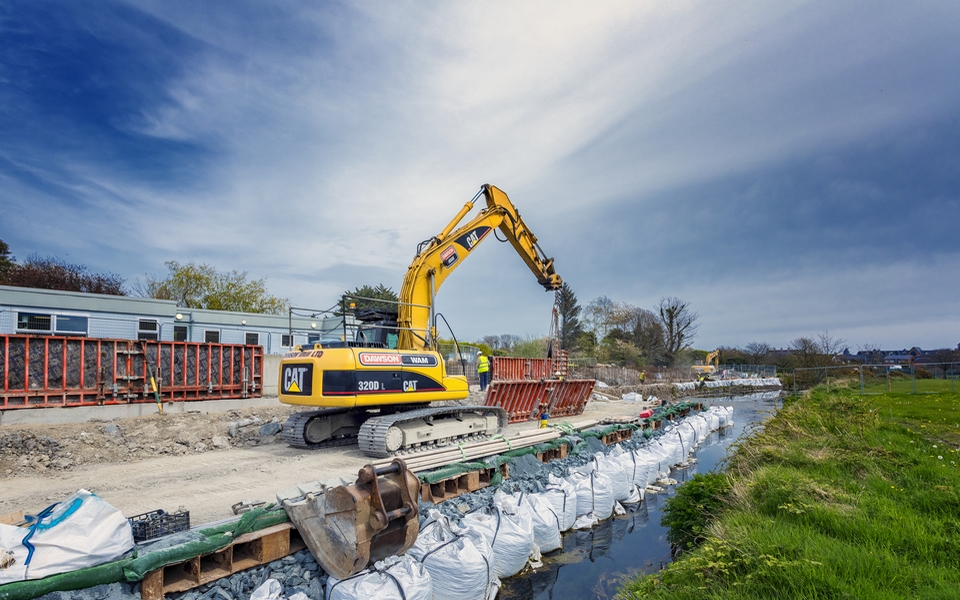
Shimna Flood Alleviation Scheme
Winning the Considerate Constructor Scheme ‘Leading Lights’ award for diverting over 180 cubic meters of polystyrene waste from landfill in the Shimna Flood Alleviation Scheme by finding a recycling route where it’s used as building insulation.
BREEAM
Completing projects that achieve Excellent BREEAM Infrastructure ratings, which reflect high environmental sensitivity, technical innovation, and responsible social impact.
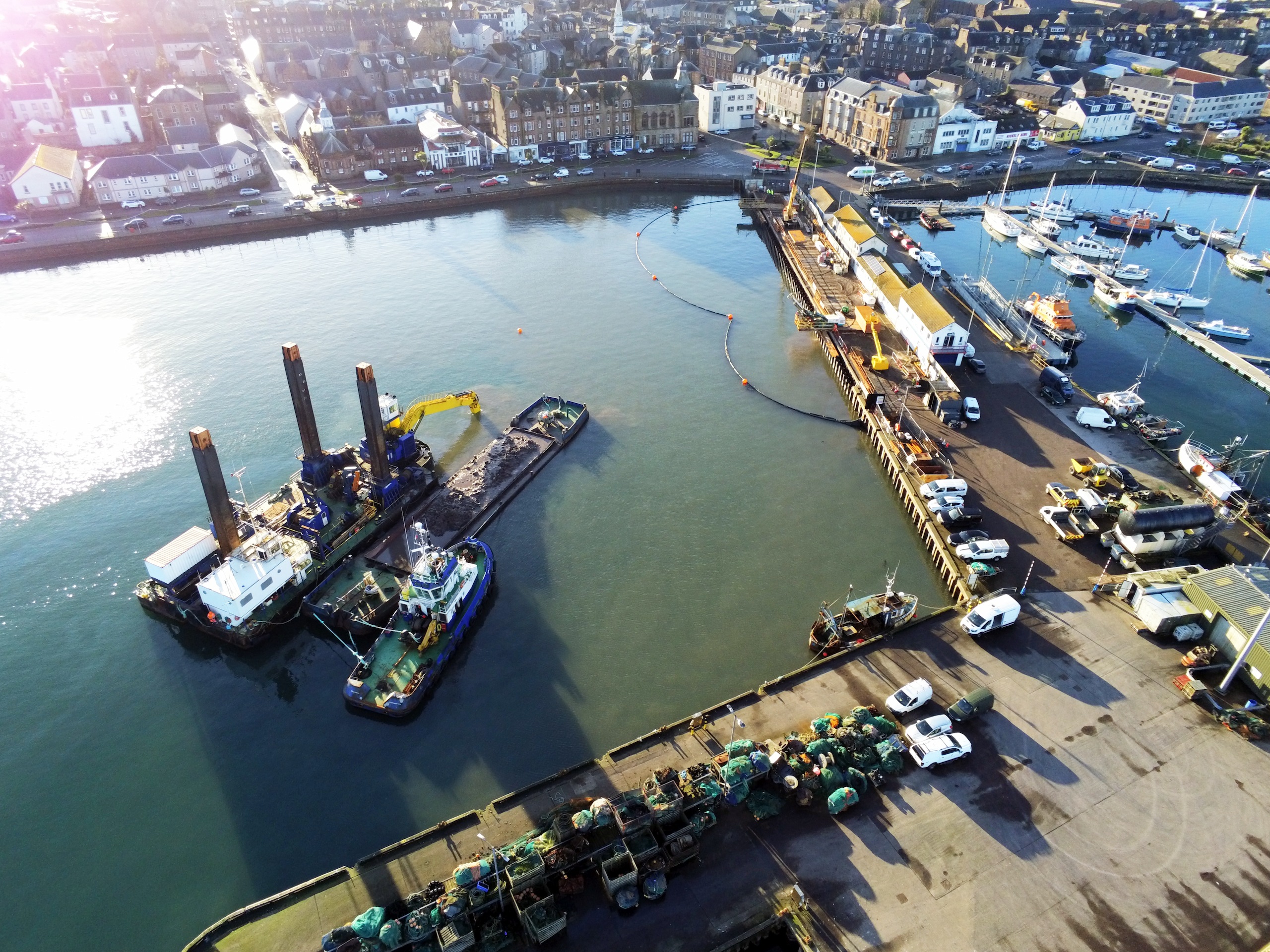
Campbeltown Flood Protection Scheme
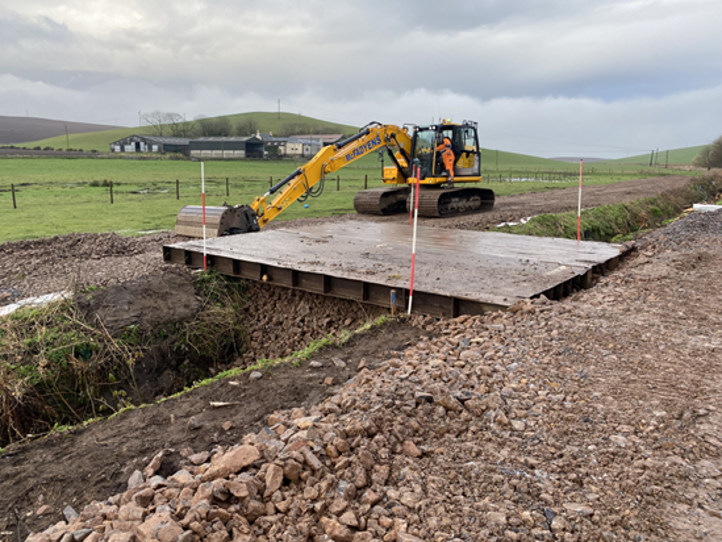
In our Campbeltown Flood Protection Scheme, designing the works to reduce material import where possible, using locally sourced fill, utilising in-house steel mats, and applying vibration-less piling techniques to minimise disruption and environmental impact.
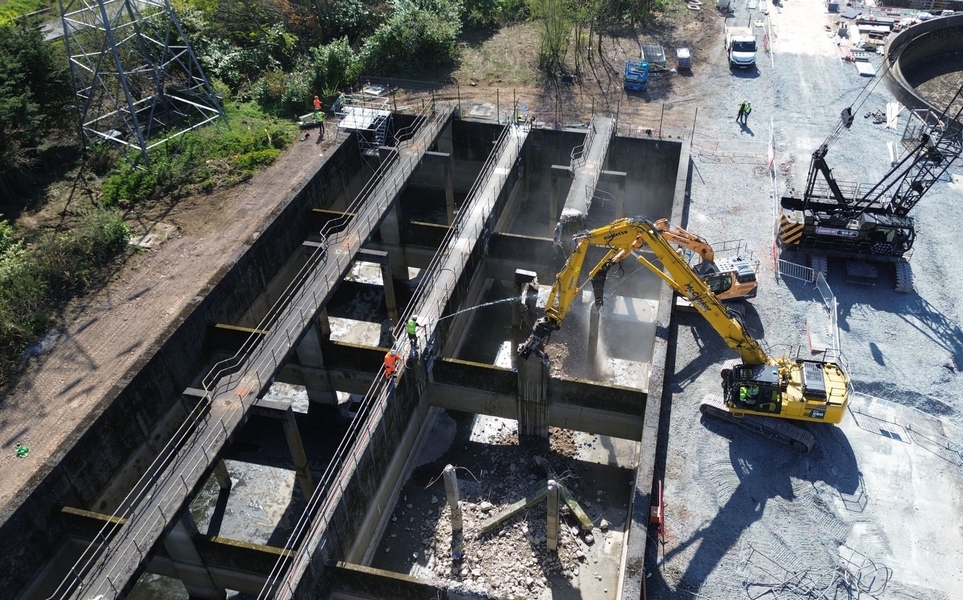
Upper Falls Wastewater Treatment site
In our Upper Falls Wastewater Treatment site we brought abandoned aeration tank assets back to life, repurposing them for stormwater storage.