Close Proximity Piling
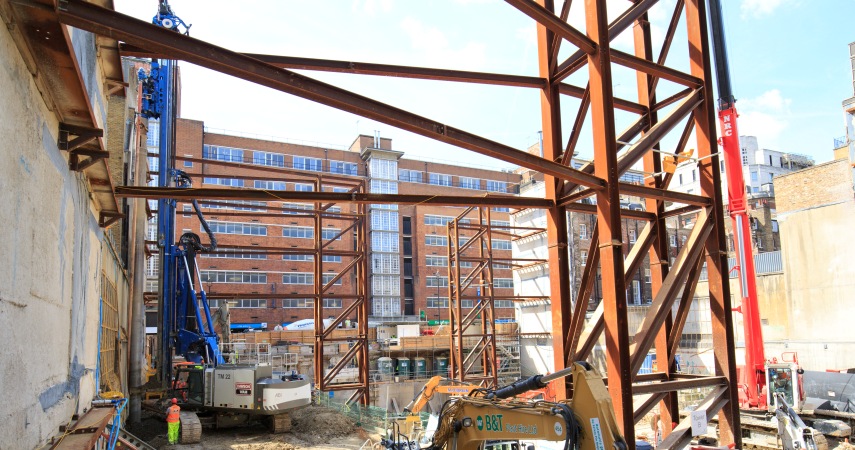
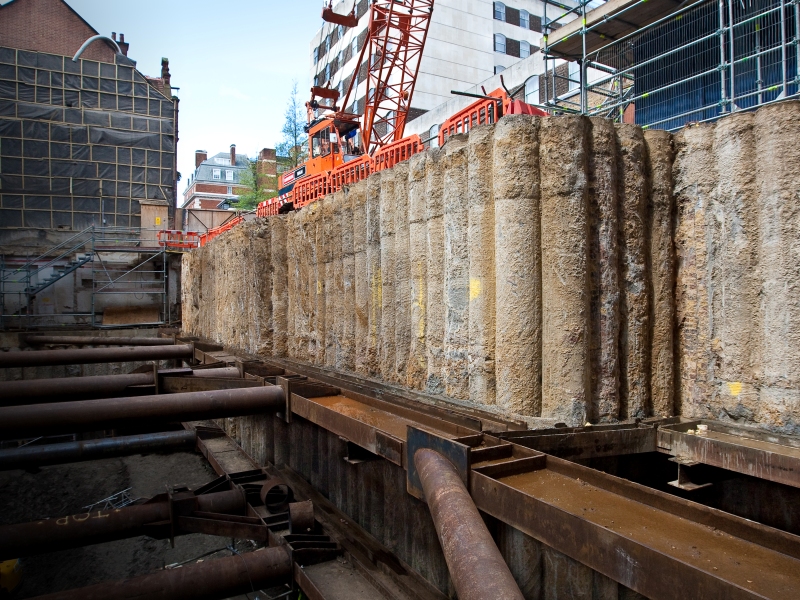
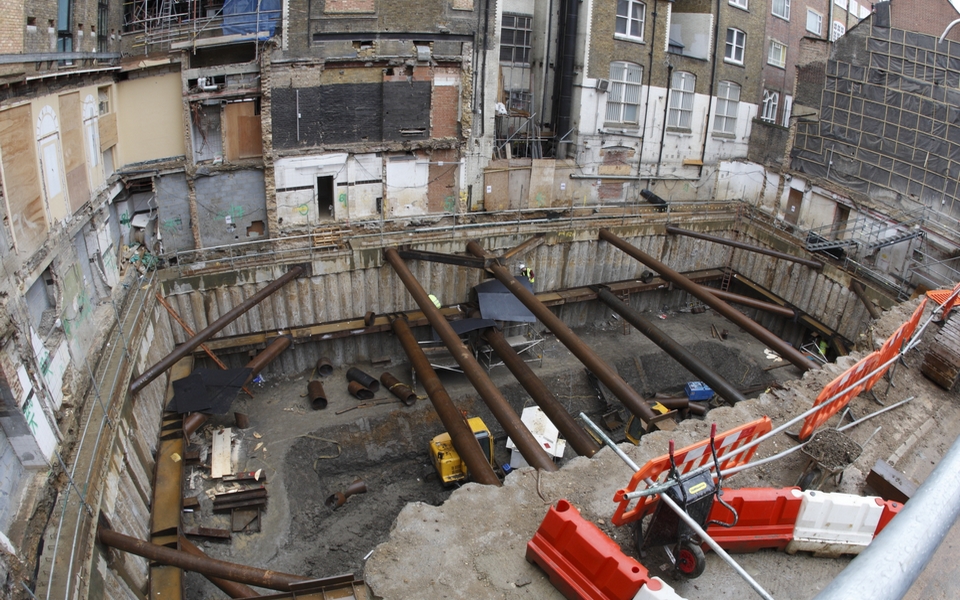
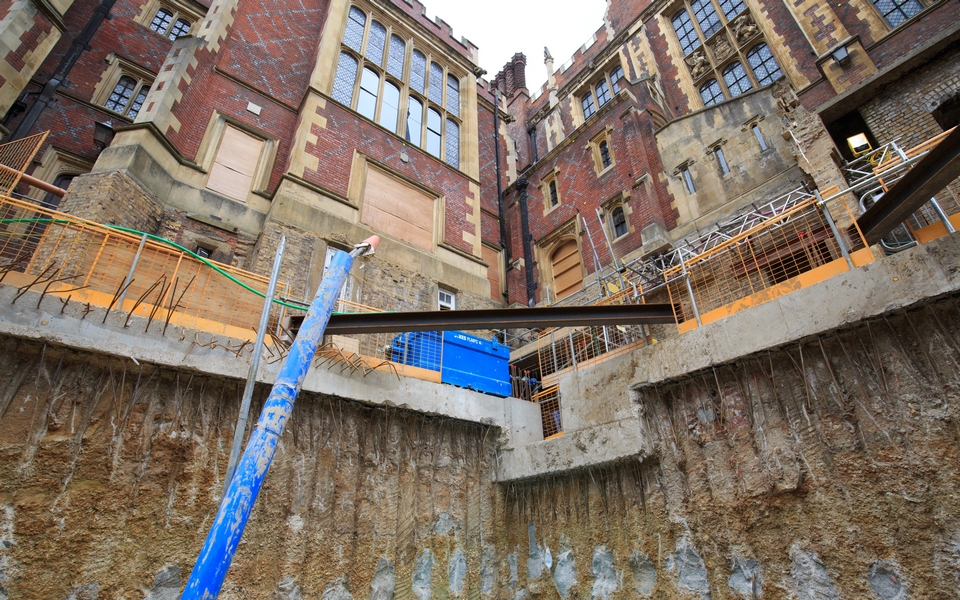
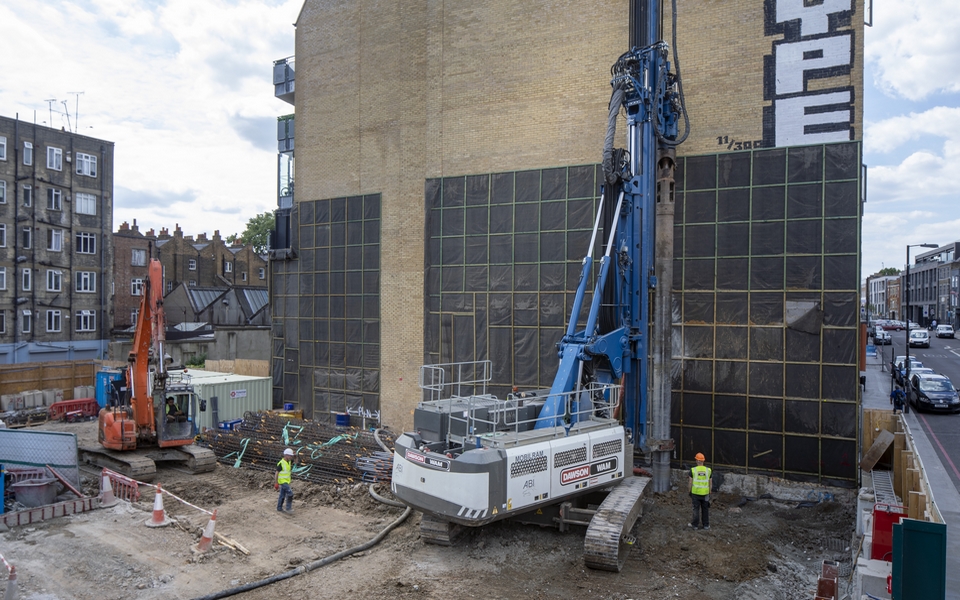
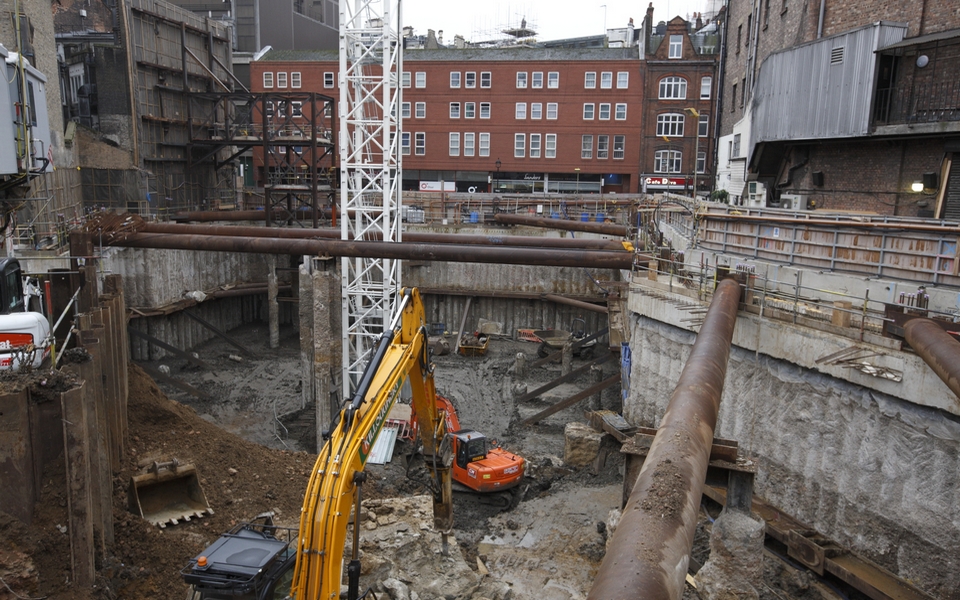
DAWSON-WAM specialises in close proximity piling, enabling the installation of piles within as little as 100 mm of existing buildings, retaining walls, or other structures. This precision capability is particularly valuable for projects in built-up environments, such as city centre developments, where every millimetre of space matters.
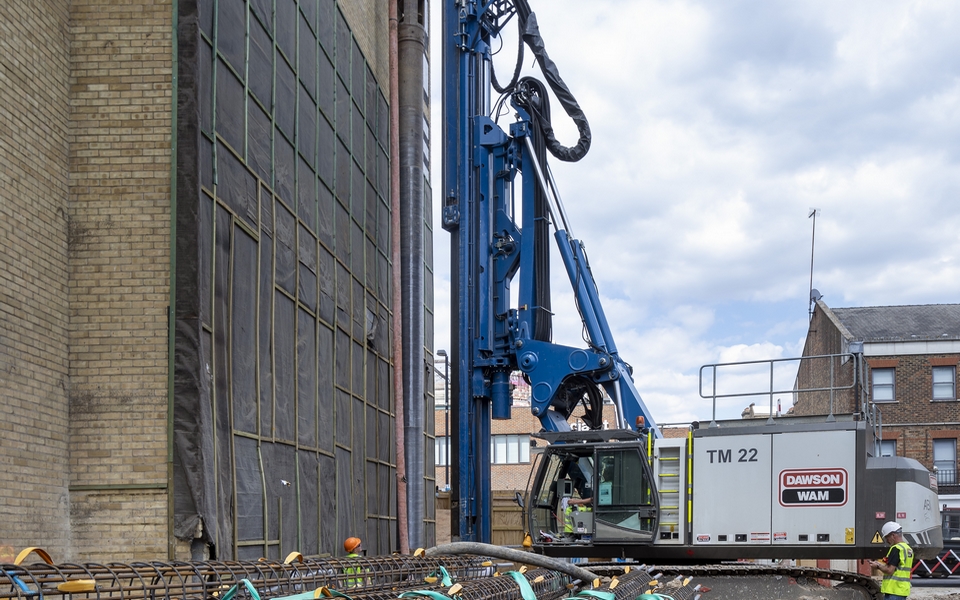
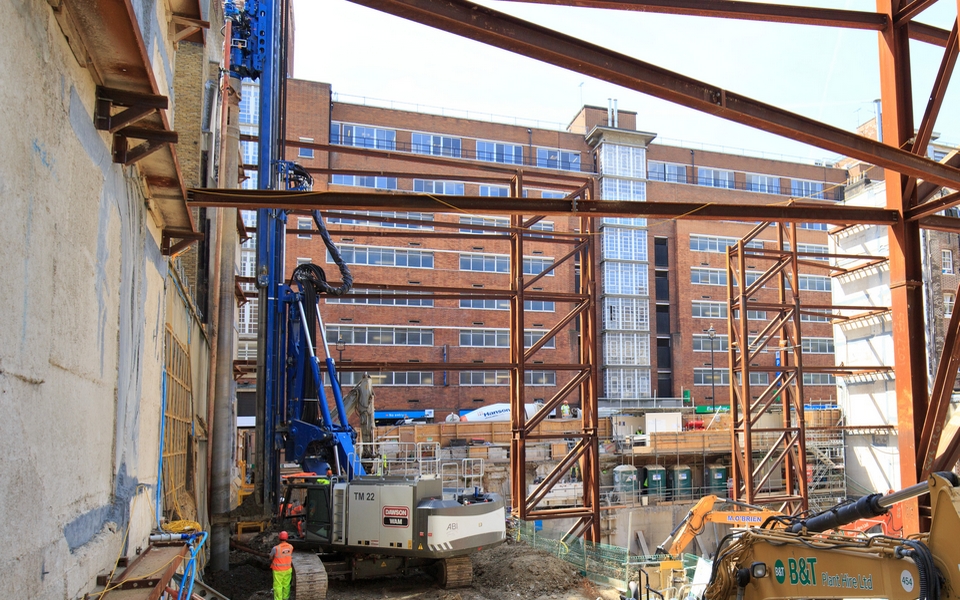
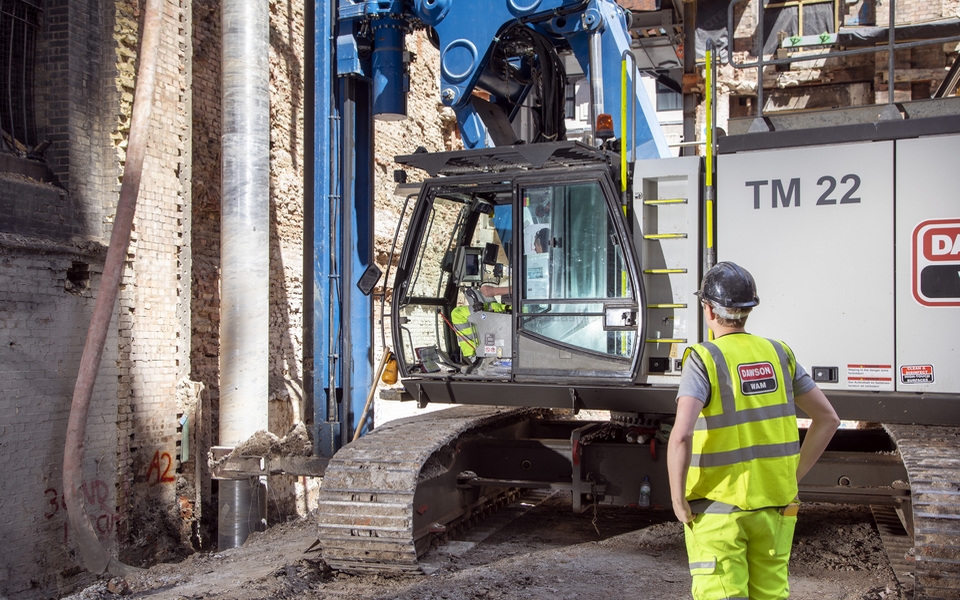
Cased CFA System – Maximum Precision and Minimal Clearance
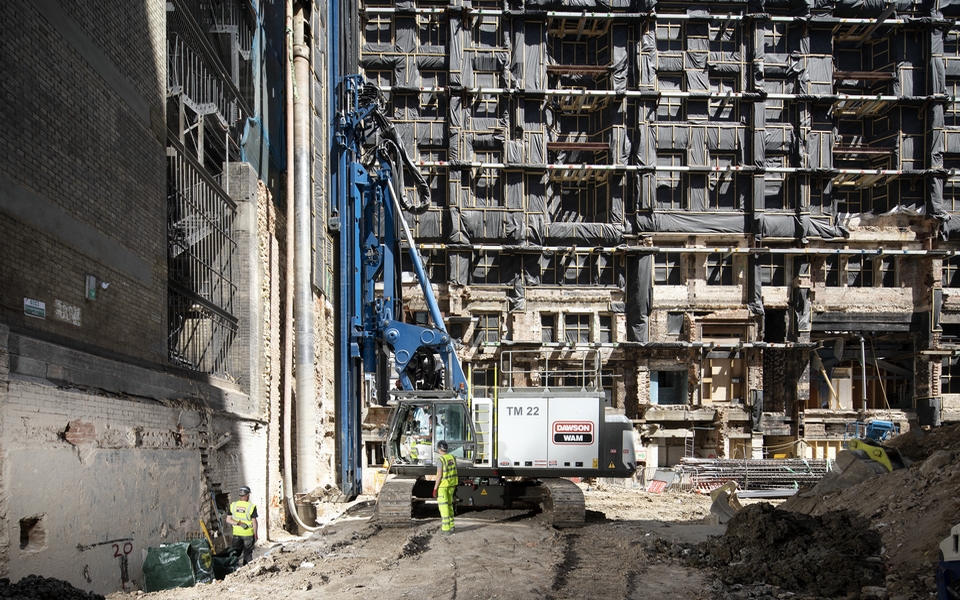
As the largest Cased CFA piling specialist in the UK and Ireland, DAWSON-WAM’s equipment uses an offset casing system, where the outermost part of the rig is the casing itself. This unique arrangement allows piles to be installed within 100 mm of an existing structure, compared to the 600 mm clearance typically required with conventional CFA rigs due to motor geometry.
Our system also:
- Allows piling into corners
- Eliminates flighting risk for safer bores
- Allows drilling through obstructions, mass concrete, and medium-strong rock
- Maintains exceptional verticality for structural performancec
Monitoring, Testing & Structural Analysis
For complete client assurance, DAWSON-WAM provides:
- Pile testing for capacity and performance verification
- Vibration and noise monitoring to protect surrounding assets
- Pile deflection analysis for structural stability
- Sensitivity analysis of adjacent structures to mitigate construction impact
Get in touch with our team
Featured Projects
Browse our Basements Brochure to see how close proximity piling forms a core part of DAWSON-WAM’s expertise in maximising space and delivering safe, efficient foundations in the most challenging of sites.